
Electronic Table Games: How Digital Tables Are Changing Roulette, Blackjack and Baccarat
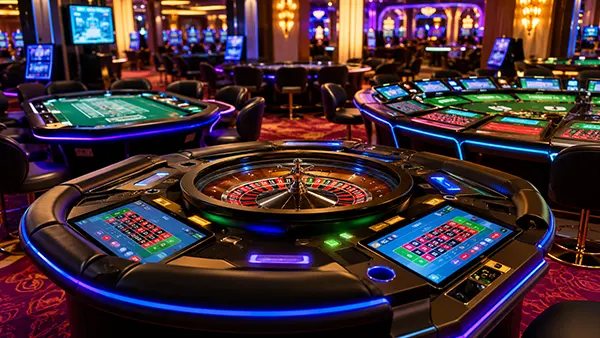
Electronic Table Games (ETGs) have become one of the most significant developments in land-based casinos over the past decade. By combining automated gaming equipment with the familiar rules of traditional table games, they offer an alternative that appeals to both experienced players and newcomers. Rather than replacing classic tables entirely, ETGs have expanded the range of available options by providing faster gameplay, flexible betting limits and continuous availability throughout casino operating hours.
What Are Electronic Table Games and Why Are They Becoming More Common?
Electronic Table Games are casino games that replicate traditional table experiences through digital technology while preserving the original rules of games such as roulette, blackjack and baccarat. Depending on the installation, players may interact with fully automated equipment or place wagers at individual electronic terminals connected to a central gaming system. Some installations also combine electronic betting stations with a real roulette wheel operated automatically by mechanical equipment.
The growing adoption of ETGs reflects changing customer preferences and operational needs. Many casinos now serve visitors who prefer shorter gaming sessions, lower minimum bets and immediate access to popular games without waiting for an available seat. Digital tables allow operators to accommodate more participants simultaneously while maintaining consistent game availability throughout the day.
Another important factor is accessibility. Traditional live tables may require familiarity with casino etiquette, dealer procedures and betting pace, whereas electronic tables guide players through each step using clear visual interfaces. Timers, betting layouts and automatic calculations reduce uncertainty, making the experience easier to understand without altering the established rules of the games themselves.
How Electronic Tables Differ from Traditional Live Tables
The most noticeable difference is the way bets are placed. Instead of handing chips directly to a dealer, players use touchscreens or electronic betting panels to select chips, place wagers and confirm their decisions before the countdown timer expires. Once betting closes, the game proceeds automatically and winnings are credited electronically.
Many ETGs use Random Number Generator (RNG) technology, particularly for blackjack and baccarat, while automated roulette systems often rely on a genuine physical wheel and ball controlled by precision mechanical equipment. In these installations, every spin remains visible to all connected terminals, combining physical game mechanics with digital betting interfaces.
The pace of play also changes. Electronic systems eliminate manual chip handling, payout calculations and many procedural pauses that occur during live games. As a result, more rounds can be completed within the same period, although individual players remain free to decide how frequently they participate in each round.
How Electronic Roulette, Blackjack and Baccarat Continue to Follow Established Rules
Although the presentation differs from traditional tables, the underlying rules remain largely unchanged. Electronic roulette still offers the familiar inside and outside betting options, including straight-up numbers, splits, streets, corners, dozens, columns, red or black, odd or even and high or low wagers. The betting interface simply replaces the physical layout found on conventional tables.
Electronic blackjack follows the standard objective of achieving a hand value as close to 21 as possible without exceeding it. Players continue to make familiar strategic decisions such as standing, hitting, doubling down or splitting eligible pairs when permitted by the game configuration. Rule variations, including the number of decks or dealer actions on soft 17, depend on the individual casino and software provider rather than on the electronic format itself.
Baccarat also maintains its established structure. Participants choose between the Player, Banker or Tie bets before cards are dealt automatically. The drawing rules remain fixed according to the official baccarat procedures, meaning no additional decisions are required once betting has closed. This consistency allows experienced baccarat players to transition easily between traditional and electronic versions.
Accuracy, Fairness and Regulatory Standards
Licensed casinos operate Electronic Table Games under the same regulatory framework that applies to other approved gaming equipment. Before being introduced into regulated gaming venues, the hardware and software undergo extensive technical testing by independent laboratories recognised by gambling authorities. These assessments verify that game outcomes, payout calculations and system operations comply with the applicable regulatory standards.
Automated roulette equipment is regularly inspected to ensure that wheel mechanics, ball launch systems and monitoring sensors continue to function within approved tolerances. For RNG-based games, certified algorithms are independently evaluated to confirm that outcomes remain statistically random and cannot be predicted or influenced during normal operation.
In addition to regulatory testing, casinos routinely perform maintenance, software updates and security inspections to ensure that terminals, payment systems and game servers continue to operate reliably. These procedures help maintain consistency between published game rules, displayed payout tables and actual gameplay.

What the Future Holds for Electronic Table Games
By 2026, Electronic Table Games have become an established part of many regulated casinos across Europe, North America and Asia. Manufacturers continue to improve display quality, touchscreen responsiveness and terminal ergonomics while maintaining compatibility with existing gaming regulations. These developments focus mainly on improving usability rather than changing the fundamental rules of roulette, blackjack or baccarat.
Modern ETG installations increasingly support multilingual interfaces, multiple currency options and personalised player accounts where permitted by local regulations. Some systems also integrate loyalty programmes, allowing eligible players to collect rewards automatically without interrupting their gaming session. These features reflect broader technological improvements seen across licensed casino environments.
Industry analysts generally expect Electronic Table Games to continue expanding alongside, rather than replacing, traditional live tables. Casinos benefit from offering different ways to enjoy the same classic games, giving visitors greater flexibility according to their experience, preferred betting limits and playing pace. This balanced approach allows operators to accommodate a wider range of customers while preserving the established appeal of live table gaming.
Choosing Between Digital and Traditional Table Games
There is no universally better option between Electronic Table Games and traditional dealer-operated tables. Both formats use the same core rules, similar payout structures and are subject to regulatory oversight within licensed casinos. The most appropriate choice depends on what each individual player values during a gaming session.
Players looking for convenience, straightforward interfaces and lower entry stakes often find ETGs particularly practical. The automated betting process, clear on-screen information and continuous game availability make them especially suitable for shorter visits or for those learning the mechanics of roulette, blackjack or baccarat in a structured environment.
Traditional tables, meanwhile, continue to attract players who appreciate direct interaction with dealers and the atmosphere created by live casino play. As casinos continue investing in both formats, Electronic Table Games are likely to remain an important complement to classic tables, giving players more flexibility without altering the established principles that have defined these games for generations.